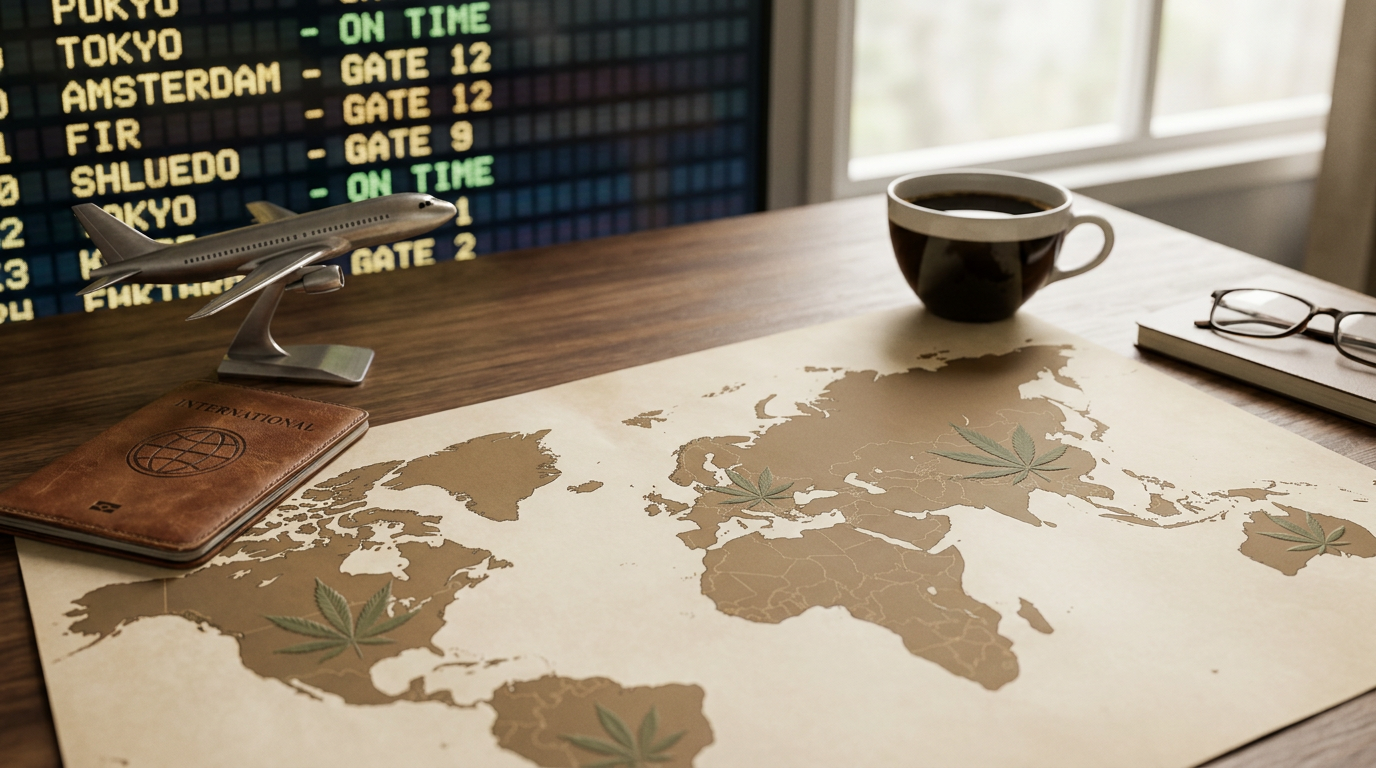
Cannabis culture varies widely around the world, shapeExploring Global Cannabis Culture: What Travelers Should Knowd by local traditions, public attitudes, legislation, and changing social perspectives. In some destinations, cannabis is associated with regulated retail markets and tourism, while in others, it remains strictly prohibited. For travelers interested in understanding this global subject, learning about these differences can provide valuable insight into the places they visit.
Exploring global cannabis culture involves more than discovering cannabis-related businesses. It also means understanding local history, respecting community values, and recognizing the legal responsibilities that come with international travel. Whether visiting a European capital, exploring North American cities, or learning about changing policies in Asia, travelers should approach the subject with curiosity and careful preparation.
This guide examines cannabis culture in different regions and explains what visitors should know before planning a trip.
Understanding Global Cannabis Culture
Cannabis culture refers to the social attitudes, historical traditions, economic activities, and cultural discussions associated with cannabis. Its meaning differs considerably between countries and communities.
In some places, cannabis has become part of public conversations about regulation, business development, and personal freedom. In others, discussions focus on public health, law enforcement, traditional values, or medical research.
Tourism has also influenced how people understand cannabis. Some destinations are internationally recognized for their cannabis-related businesses, while others attract visitors interested in legislation, history, or cultural research.
However, a destination’s reputation does not necessarily reflect its current laws. Travelers should distinguish between cultural acceptance, legal possession, commercial sales, and permission to consume cannabis in public or private spaces.
Cannabis Culture in Europe
Europe offers several different approaches to cannabis regulation, making it an interesting region for understanding the subject.
Amsterdam, Netherlands
Amsterdam has one of the most recognizable cannabis-related tourism cultures in the world. Its coffee shops are widely known for the tolerated retail sale of small quantities of cannabis under specific conditions.
However, the Netherlands does not have unrestricted cannabis legalization. Rules govern coffee shop operations, and local restrictions can affect where visitors may purchase or consume cannabis.
The city also offers historic canals, art museums, traditional architecture, and a lively food scene. Travelers can explore these attractions while learning about the country’s approach to drug policy.
Visitors should check current local regulations rather than assuming every cannabis-related activity is permitted.
Barcelona, Spain
Barcelona is famous for its architecture, Mediterranean atmosphere, and cultural attractions. It is also associated with private cannabis social clubs, which operate within a complicated legal environment.
Spain does not have a nationwide commercial recreational cannabis market comparable to Canada’s regulated system. Rules surrounding public possession, consumption, and private clubs require careful consideration.
Visitors should not assume that every club accepts tourists or that membership automatically makes an activity lawful. Understanding the applicable regulations is essential before making arrangements.
Barcelona remains an appealing destination for travelers interested in architecture, local cuisine, historic neighborhoods, and Mediterranean culture, regardless of whether they participate in cannabis-related activities.
Cannabis Culture in North America
North America has experienced significant changes in cannabis legislation, particularly in Canada and certain US states. These changes have influenced public discussions about regulation, consumer protection, and business development.
Canada
Canada legalized recreational cannabis nationally in 2018, establishing a regulated market for adult use. Provincial and territorial governments set additional requirements, including legal age limits, retail arrangements, and consumption restrictions.
Cities such as Toronto and Vancouver provide opportunities to explore Canadian culture alongside regulated cannabis retail where permitted.
Toronto offers museums, diverse neighborhoods, and a thriving food scene, while Vancouver is known for its waterfront, parks, and surrounding mountains.
Travelers should confirm the rules applicable to their destination. Cannabis cannot legally be transported across Canada’s international borders, even when traveling to a country or region where cannabis is also permitted.
California, United States
California has a prominent cannabis industry and a long history of cannabis-related activism. Adult-use cannabis is legal under state law for adults aged 21 and older, subject to applicable requirements.
Los Angeles, San Francisco, and San Diego attract visitors with their beaches, entertainment, restaurants, and cultural attractions.
However, cannabis remains illegal under US federal law, and local restrictions govern purchasing and consumption. Travelers must not carry cannabis across state or international borders.
California demonstrates how state-level regulation can shape a local cannabis industry while leaving important legal limitations in place.
Cannabis Culture in South America
South America offers another perspective on cannabis regulation, with countries adopting different legal frameworks and public policies.
Uruguay
Uruguay became internationally recognized for establishing a national cannabis regulation framework in 2013. Its system is frequently discussed in debates about government oversight and alternatives to prohibition.
However, legal recreational access is structured primarily around eligible residents rather than unrestricted purchases by international tourists.
Montevideo, the country’s capital, offers historic architecture, museums, markets, and a scenic waterfront. Visitors interested in cannabis policy can learn about Uruguay’s regulatory approach while exploring the city’s cultural attractions.
Travelers should verify current eligibility requirements and avoid assuming that rules for residents automatically apply to tourists.
Regional Differences Matter
Cannabis laws and cultural attitudes vary throughout South America. A policy introduced in one country should not be interpreted as applying across the region.
Travelers should investigate national and local requirements before departure, particularly regarding possession, public consumption, and transportation. Medical cannabis rules may also differ from recreational regulations.
Understanding these differences helps visitors avoid relying on generalizations about an entire continent.
Cannabis Culture in Asia
Asia demonstrates why travelers should pay close attention to local law and cultural expectations. Cannabis policies vary considerably, and some countries impose severe penalties for prohibited possession or use.
Thailand
Thailand attracted international attention following major changes to its cannabis policies beginning in 2022. These developments contributed to the growth of cannabis-related businesses and increased discussion about tourism.
However, Thailand’s regulatory environment has continued to evolve. Rules concerning medical use, retail sales, possession, and consumption may change over time.
Visitors should consult current Thai government guidance before considering any cannabis-related activity. Older travel articles may not accurately describe the law currently in force.
Bangkok, Chiang Mai, and Phuket offer numerous attractions, including temples, markets, traditional food, mountain scenery, and beaches. Travelers can enjoy these experiences while respecting local regulations and cultural expectations.
Respecting Local Laws
In countries where cannabis is prohibited, visitors should not assume that tourist status provides an exemption. Penalties may include fines, detention, or other serious legal consequences, depending on the jurisdiction.
Always review official travel advisories and local legislation. Never carry cannabis into a country without clear legal authorization.
How Cannabis Tourism Is Changing
Cannabis Travel Guide is connected to broader changes in public policy, business development, and consumer interest. In places with regulated markets, licensed businesses may contribute to tourism-related spending and create new employment opportunities.
Some destinations also promote educational activities, policy discussions, and historical experiences. These activities can help visitors understand how governments address regulation, public health, and consumer protection.
Nevertheless, the development of a cannabis industry does not mean that all cannabis-related activities are legal. Businesses may be subject to licensing rules, advertising restrictions, and limits on who can purchase their products.
Travelers should evaluate each destination individually and avoid assuming that cannabis tourism operates under a universal set of rules.
Essential Tips for Travelers
Anyone researching cannabis culture abroad should consider several important precautions.
Research current legislation. Consult official government sources to understand local possession, purchasing, age, and consumption rules.
Understand tourist eligibility. Some regulated systems are designed for residents rather than international visitors. Verify whether tourists may legally participate in specific activities.
Never transport cannabis across international borders. A legal purchase does not automatically authorize transportation into another country. This also applies to oils, edibles, and other cannabis products.
Follow accommodation policies. Hotels and rental properties may prohibit smoking or cannabis use even when some forms of adult use are legal locally.
Avoid impaired driving. Cannabis can affect coordination, attention, judgment, and reaction time. Arrange safe transportation and never drive while impaired.
Respect local communities. Follow public-use restrictions, respect smoke-free environments, and avoid disturbing residents or other travelers.
These precautions help visitors make informed decisions while reducing the risk of legal or personal safety problems.
The Importance of Cultural Awareness
Travel provides an opportunity to understand perspectives that differ from those at home. Cannabis culture can be especially sensitive because it intersects with public health, social attitudes, religious traditions, and legal systems.
Visitors should approach the subject without assuming that one country’s policies or attitudes are universally accepted. Listening to local perspectives and respecting established rules are important parts of responsible tourism.
It is equally important to recognize that cannabis-related activities are optional. Travelers can learn about local history, regulation, and social change without purchasing or consuming cannabis.
A thoughtful approach creates more opportunities for meaningful cultural exchange and helps ensure that tourism benefits local communities.
Conclusion
Exploring global cannabis culture provides a window into the different ways societies approach regulation, public health, business, and personal choice. Amsterdam, Canada, California, Uruguay, and Thailand illustrate how policies and cultural attitudes can differ significantly from one destination to another.
For travelers, the most important lesson is to research current laws instead of relying on a destination’s reputation. Understand the rules for visitors, respect local customs, follow accommodation policies, and never assume cannabis can be transported across borders.