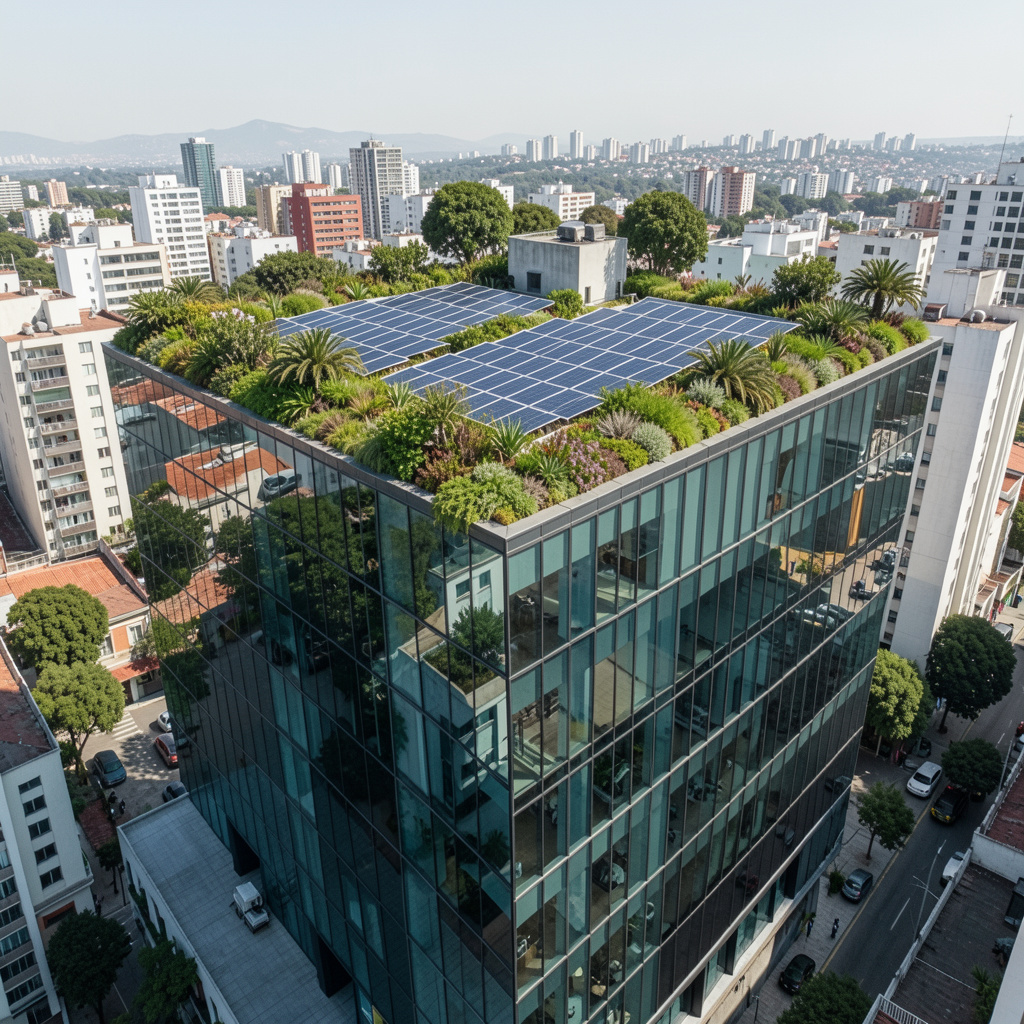
Sustainable building practices are gaining significant attention in Serbia as developers and architects aim to meet international environmental standards. LEED (Leadership in Energy and Environmental Design) is a widely recognized certification system that evaluates buildings across energy performance, water efficiency, material sustainability, indoor environmental quality, and site development.
Achieving LEED certification requires specialized knowledge and a structured approach. Consultants assist projects through initial feasibility studies, credit selection, energy and water modeling, sustainable material recommendations, documentation preparation, and certification submission and verification, ensuring buildings meet international standards efficiently.
1. ERKE Consultancy
Established in 2007, ERKE Consultancy operates globally from Istanbul, Dubai, and London, offering LEED consulting, sustainability advisory, and green building strategy services.
ERKE has completed over 200 LEED-certified projects worldwide, including hospitals, commercial offices, and large infrastructure developments. Their team includes LEED Fellows, LEED APs, WELL APs, and sustainability specialists, providing end-to-end support from project conception to certification.
In Serbia, ERKE assists developers with credit planning, energy and water efficiency strategies, sustainable material guidance, and full documentation management, ensuring compliance with LEED standards.
2. Ramboll
Ramboll, founded in 1945 in Denmark, is an international consultancy specializing in sustainable design, LEED certification, and environmental consulting.
They support Serbian projects with credit strategy, energy and water modeling, material assessments, and documentation preparation, covering both new construction and renovation projects.
3. Sweco
Sweco, a Nordic consultancy active across Europe, offers LEED advisory, green building consulting, and sustainability strategy.
Sweco helps Serbian developers with credit identification, energy and water efficiency design, indoor environmental quality planning, and certification documentation, serving commercial, residential, and industrial projects.
4. WSP Global
Headquartered in Canada, WSP Global provides LEED consulting, energy advisory, and sustainability strategy.
For Serbian projects, WSP delivers credit tracking, performance optimization, documentation management, and certification submission, particularly for large or complex developments.
5. AtkinsRéalis
AtkinsRéalis (formerly SNC-Lavalin Group) provides LEED consulting, sustainable design guidance, and energy efficiency advisory.
They support Serbian developers with credit planning, sustainable material selection, and documentation management, helping streamline the certification process.
6. Mott MacDonald
UK-based Mott MacDonald offers LEED consulting, sustainability advisory, and environmental design services.
They assist Serbian projects with energy and water modeling, indoor environmental quality assessments, waste management, and certification documentation, ensuring compliance with international green building standards.
7. Arup
Founded in 1946, Arup is a global engineering and design consultancy providing LEED advisory, sustainability strategy, and energy modeling services.
They support Serbian commercial and infrastructure projects with credit planning, certification management, and performance optimization, ensuring alignment with LEED requirements.
Summary
LEED certification in Serbia requires expertise in energy efficiency, water management, sustainable materials, indoor environmental quality, and project documentation. Consultants provide technical guidance, strategic planning, and certification support to ensure projects meet internationally recognized sustainability benchmarks.
Key LEED consultancies active in Serbia include 1. ERKE Consultancy 2. Ramboll 3. Sweco 4. WSP Global 5. AtkinsRéalis 6. Mott MacDonald 7. Arup, all offering LEED advisory, sustainability strategy, and certification services.
Selecting the right consultancy depends on project complexity, scale, certification goals, and available resources, ensuring the chosen partner aligns with sustainability objectives.